Navigating Digital Vaults: How Seamless Payment Links Fuel Reward Chains in Handheld Progressive Systems
Written by Zoe Braun · Nov 6, 2026
Navigating Digital Vaults: How Seamless Payment Links Fuel Reward Chains in Handheld Progressive Systems
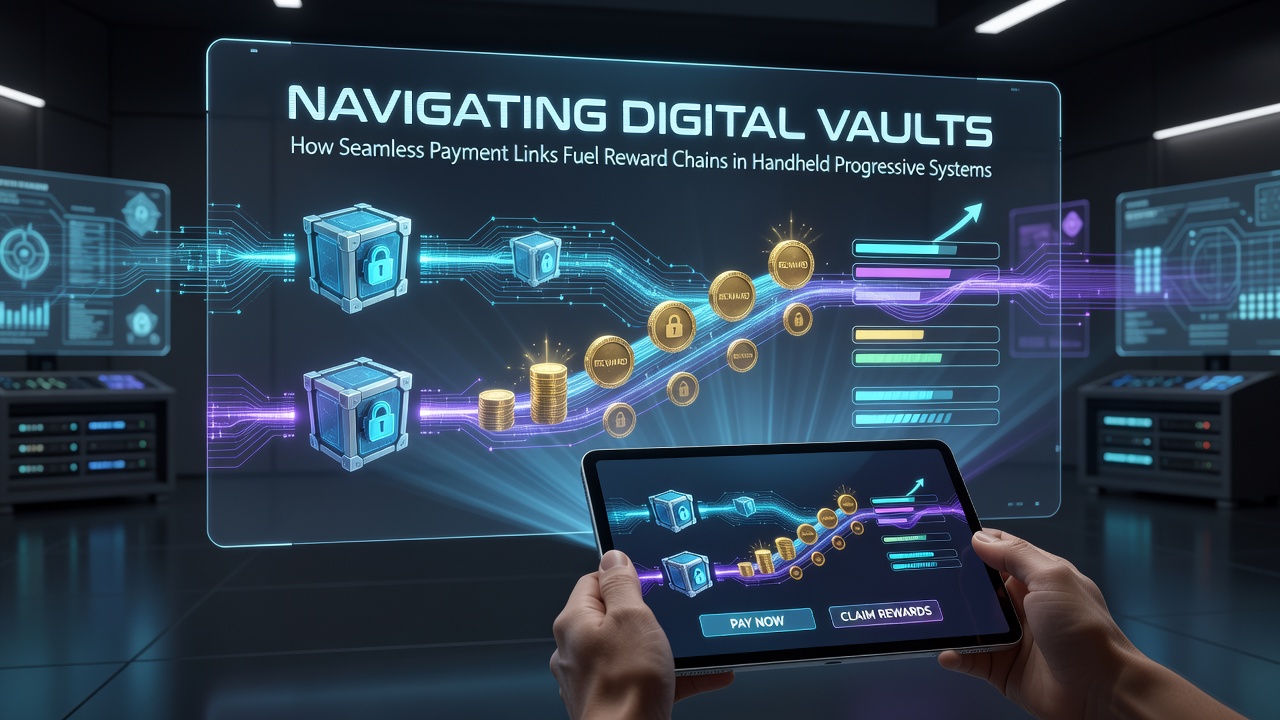
Handheld progressive systems have expanded rapidly in recent years as developers integrate payment processing directly into reward accumulation mechanics across smartphone platforms. These networks link user deposits to escalating jackpot pools while maintaining continuous reward chains that update in real time during active sessions. Observers note that the architecture relies on encrypted transaction pathways which connect financial inputs to progressive meters without interrupting gameplay flow.
Core Components of Payment Integration in Mobile Progressives
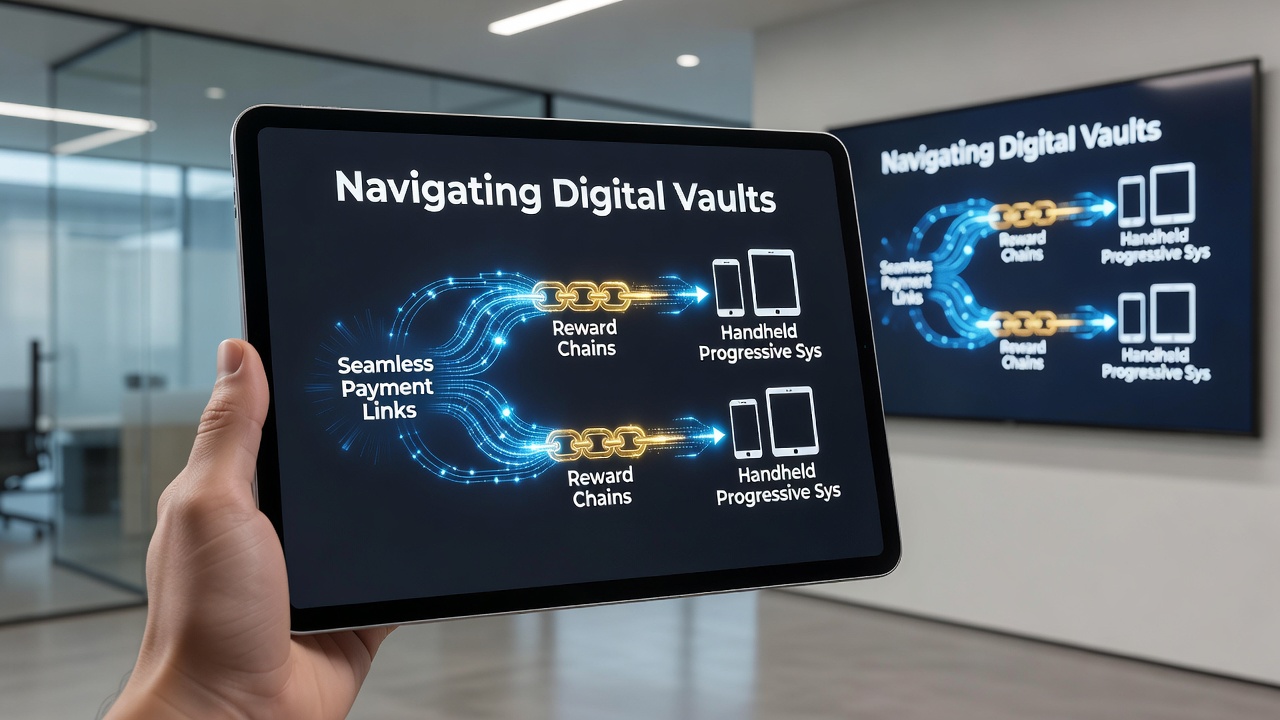
Seamless payment links operate through APIs that synchronize deposit confirmations with central servers managing jackpot contributions. Each transaction allocates a percentage to the progressive pool while simultaneously crediting bonus layers that users access through the same interface. Research from gaming technology firms shows these connections reduce latency between funding actions and reward eligibility by routing data through unified ledgers rather than separate banking and gaming modules.
Developers employ tokenization methods to secure account details during transfers, allowing handheld devices to maintain session continuity even when network conditions fluctuate. Industry reports indicate that such systems handle thousands of micro-transactions per minute in peak periods, with verification occurring through multi-factor protocols embedded in the application layer. This setup enables reward chains to advance automatically as contributions accumulate from multiple users across regional servers.
Technical Pathways Connecting Deposits to Progressive Growth
Payment gateways interface with progressive engines via standardized protocols that log every contribution timestamp and amount. When a user initiates a deposit, the system verifies funds through established financial rails before allocating portions to both immediate play credits and long-term jackpot increments. Data from platform analytics reveals that these linked processes support reward accumulation across multiple game titles within a single ecosystem, creating interconnected chains where progress in one title influences eligibility in others.
Encryption standards protect the data flow between handheld applications and backend vaults, preventing unauthorized access while permitting rapid reconciliation. Experts observe that November 2026 deployments incorporated enhanced cross-border transaction handling, allowing users in various jurisdictions to participate in shared progressive pools without delays from currency conversion steps. Such advancements stem from collaborations between payment processors and gaming operators focused on minimizing friction in reward delivery.
Regulatory Frameworks Shaping Implementation
Government agencies in multiple regions oversee how these payment-reward linkages comply with consumer protection standards. The Nevada Gaming Control Board publishes guidelines requiring transparent disclosure of contribution rates to progressive pools, ensuring users understand allocation mechanics before engaging. Similar oversight from the Australian Communications and Media Authority addresses data security in mobile environments where seamless links operate across state boundaries.
Academic studies from institutions examining digital gaming infrastructure highlight the role of audit trails in verifying that reward chains function without manipulation. These investigations track how payment confirmations trigger automated updates to jackpot displays and bonus meters, maintaining fairness across large user bases. Figures from industry associations demonstrate steady growth in transaction volumes handled by such integrated systems through late 2026.
Examples of Reward Chain Dynamics in Practice
One documented case involves a mobile platform where users depositing via linked accounts saw immediate eligibility for tiered bonuses that fed into a central progressive meter. The system recorded each contribution in sequence, advancing the jackpot total while distributing secondary rewards based on accumulated activity levels. Observers tracking these patterns report that the linked structure encourages sustained participation by displaying real-time progress toward next-tier unlocks directly within the application.
Another instance from European operators shows integration with regional banking networks that process payments in under three seconds, enabling reward chains to update without pausing user sessions. This efficiency stems from pre-authorized token exchanges that bypass repeated verification cycles, allowing progressive contributions to compound across concurrent games running on the same device.
Future Directions for Linked Payment and Reward Systems
Emerging protocols aim to expand interoperability between different handheld ecosystems, permitting reward chains to span multiple operators under unified standards. Research indicates that blockchain elements may further secure transaction histories while preserving the speed required for live progressive updates. Regulatory bodies continue to refine requirements around disclosure and auditing to match these technical evolutions.
Conclusion
Seamless payment links form the backbone of reward chains in handheld progressive systems by synchronizing financial inputs with jackpot and bonus mechanics in real time. Data from regulatory and industry sources confirms that these integrations support expanding user bases while adhering to security and transparency mandates across jurisdictions. As platforms evolve through 2026 and beyond, the emphasis remains on maintaining efficient, verifiable connections that sustain progressive growth without compromising operational integrity.